

22 Jul Coffee Varieties
Chances are you’ve heard about the two coffee varieties cultivated right here in Zambia. Robusta and Arabica beans are both appreciated in our region, but Arabica, the traditional African organic coffee, holds a special place in our hearts. Let’s delve into the unique characteristics of these two remarkable coffee types.

Arabica:
The Coffea arabica plant traces its origins to Ethiopia, and Arabica beans have garnered international recognition. They contribute to over half of the world’s coffee consumption. What makes Arabica coffee so beloved is its vast range of flavors. You can easily find a mellow and sweet Arabica coffee or one with a robust and tangy taste.
Producing Arabica coffee is no walk in the park, which makes it one of the pricier options on the market. To grow top-quality Arabica beans in Zambia or similar regions, specific conditions are essential. Subtropical climates suit Arabica growth best. Farmers also need fertile soil, ample sunlight, some shade, and a good amount of moisture. However, the most crucial requirement for cultivating Arabica beans is the high elevation, which is why the Zambian mountains play a vital role.

Robusta:
While Robusta coffee beans may not be as widespread in Zambia, they still have their place. Robusta coffee comes from the Coffea canephora plant, originally from Africa. Often found in instant coffees and espressos, Robusta is renowned for its slightly bitter taste. Some describe the flavor of Robusta as having a subtle oatmeal-like quality with a touch of boldness. Before roasting, these beans may emit a faint nutty aroma.
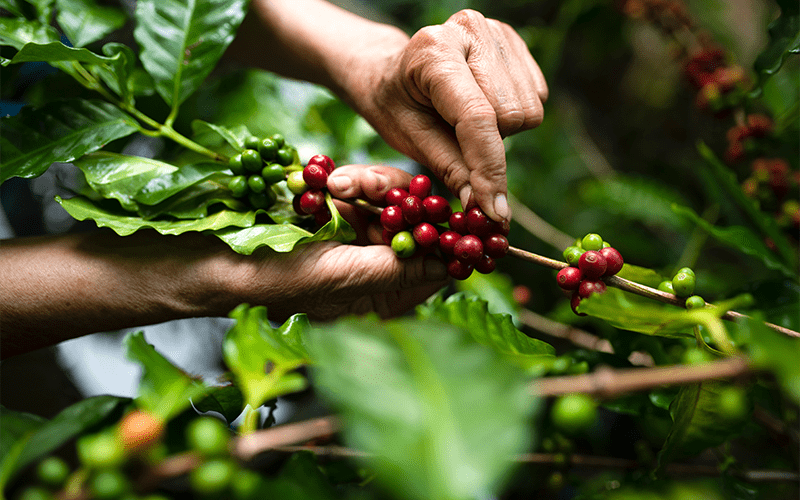
Robusta coffee plants are known for their resilience compared to Arabica beans. They can thrive at lower altitudes, are less susceptible to pest attacks, and offer higher yields per acre at a relatively lower production cost.
However, the main drawback of Robusta plants lies in the cultivation process. Mono-cropping, the practice of planting the same crop in the same area each year, can be harsh on the environment. Since these plants can grow in various locations, large corporations are often associated with clearing significant portions of the rainforest to create more fields for harvesting. After years of such practices, the soil may become depleted of nutrients, rendering it unusable.