22 Jul Exploring the World’s Top 6 Cafés
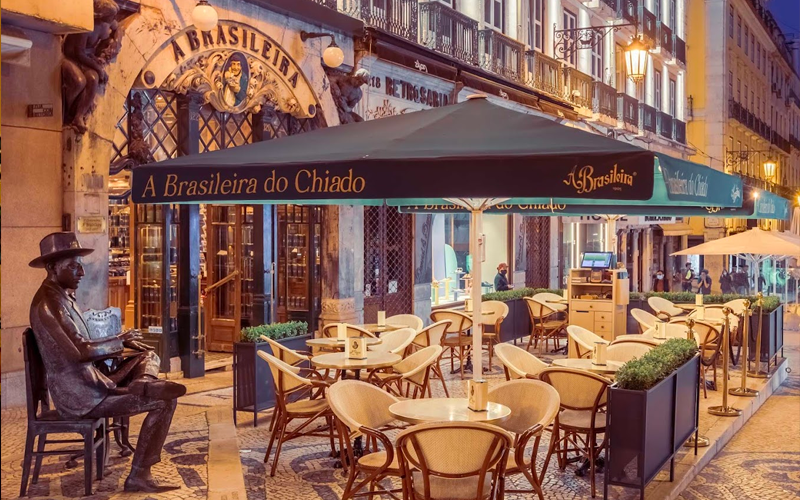
Café A Brasileira (Lisbon, Portugal):
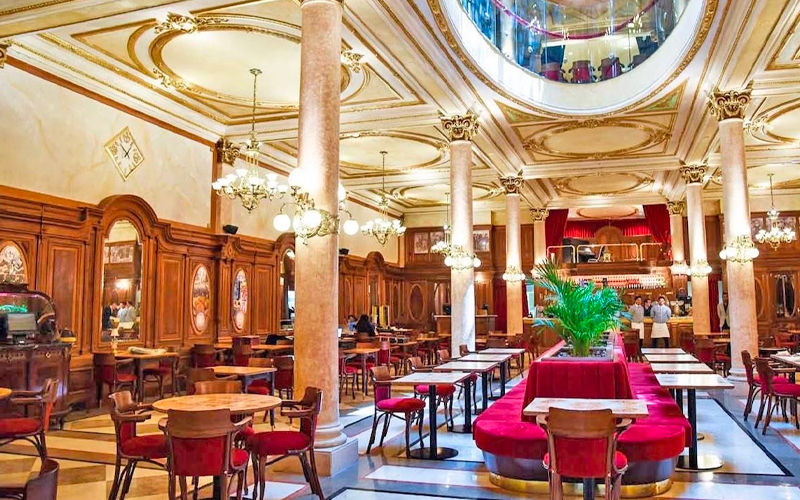
Nestled in Lisbon’s Barrio Alto, Café A Brasileira stands as an iconic café preserving coffee culture for nearly 120 years. Founded in 1905 by Adriano Telles, a Portuguese immigrant from Brazil, it captivates with mirrored walls and refined decor. Telles aimed to introduce the Portuguese to the quality of Brazilian coffee, allowing customers to taste it for free. Over the years, it became a meeting point for intellectuals and revolutionaries, including writer Fernando Pessoa. A Brasileira remains an iconic establishment in Lisbon with its luxurious façade designed by architect Manuel Norte Júnior.
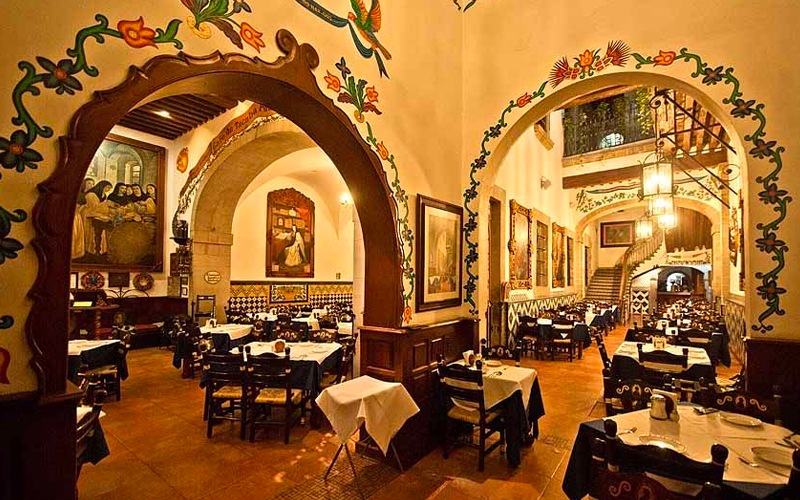
Café de Tacuba (Mexico City, Mexico):
Situated in the historic center of Mexico City, Café de Tacuba stands out for its menu focused on traditional local cuisine and décor evoking 20th-century Mexico. Founded in 1912, it boasts over a century of history as an integral part of the capital’s identity. Housed in a building dating back to the 17th century, the café has witnessed historical and social events, including Diego Rivera and Guadalupe Marín’s wedding in 1922. Frequented by figures like President Porfirio Díaz and composer Agustín Lara, Café de Tacuba remains a cultural and gastronomic treasure after surviving a near-complete destruction in a 1999 fire.
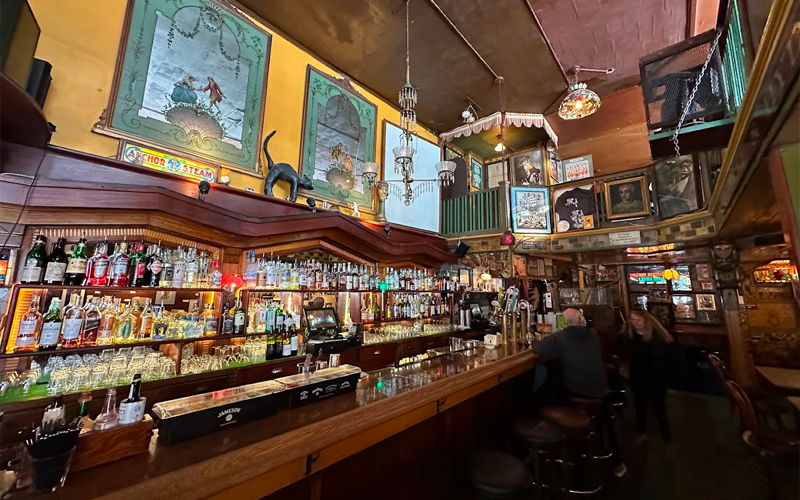
Vesuvio Café (San Francisco, USA):
Since 1948, Vesuvio Café in San Francisco’s North Beach has been an iconic meeting place for the Beat Generation. Steeped in jazz, poetry, and bohemian life, it attracted artists, writers, and culture enthusiasts. Famous for being a stopover for Neal Cassady on his way to the Six Gallery poetry reading in 1955, it also hosted Jack Kerouac and other Beat poets. While the atmosphere at Vesuvio Café is retro, it remains cozy with eclectic décor and works by famous writers adorning its walls.
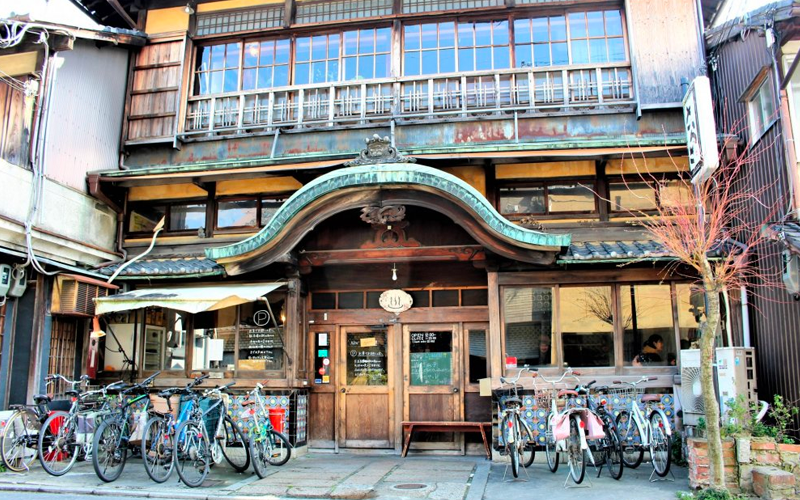
Sarasa Café (Kyoto, Japan):
Located in a former sento (public bathhouse) dating back to the 16th century, Sarasa Nishijin Café in Kyoto preserves the spirit of the original establishment. Opened in 2000, it contrasts typical Japanese architecture with vibrant majolica tiles adorning its walls and bath area. Although its audience has shifted to a younger crowd, Sarasa Café provides a special space for relaxation, reading, enjoying coffee, and sampling traditional Japanese pastries.
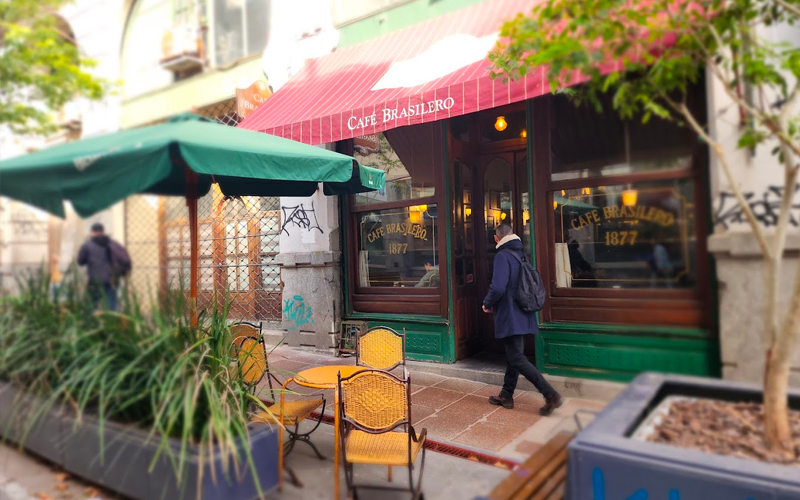
Café Brasilero (Montevideo, Uruguay):
A true Rioplatense cultural treasure, Café Brasilero in Montevideo’s Ciudad Vieja is the city’s oldest operating bar, founded in 1877. Its charming décor transports visitors to bygone eras, adorned with paintings and photographs of personalities who have graced its premises. Throughout its history, it served as a meeting point for Uruguay’s intellectuals and bohemians. Following restoration in 1982, Café Brasilero continues its mission of offering the best coffee and fostering cultural activities, including live music, talks, and poetry readings.
Confitería La Ideal (Buenos Aires, Argentina)
Reopening its doors in November 2022 after six years of closure, the iconic Confitería La Ideal contributes not only to Buenos Aires’ heritage but also to its cultural history. Originally a tenement building, it was transformed by Spanish immigrant Manuel Rosendo Fernández into an emblematic establishment of the belle époque in the city center. Over the years, it transitioned from a tango salon to a meeting place for high society and presidents, and even drew famous visitors like Madonna. With its recent reopening, La Ideal has a renewed chance to reclaim its original splendor.